Meal System Blueprint for Real Schedules

Build a clear framework for daily eating with repeatable templates and practical product groups.

System Design: From Random Meals to a Repeatable Pattern

A practical meal system starts with pattern clarity. Define the number of eating windows that match your workday and energy needs, then attach a standard composition to each one. For example, breakfast can always include protein plus slow carbohydrates and fruit; lunch can always include protein, vegetables, and a moderate starch source; dinner can include protein, vegetables, and a carb portion adjusted to evening activity. This simple architecture turns meal planning into execution rather than daily reinvention.

Next, choose your product library. Keep ten to fifteen core ingredients that appear often, then rotate flavor profiles through spices, herbs, and sauces with controlled portions. This keeps variety while preserving speed. A stable library also supports consistent grocery budgeting and lower food waste, because ingredients are reused across multiple meals. You can still include convenience foods, but they should fit the same structural rules so your routine stays predictable.

The best system is measurable. Track how many days your structure is followed, how often you need emergency food choices, and how much time prep actually takes. If one step creates friction, simplify it. Strong systems survive imperfect weeks because they are built around real constraints, not idealized schedules.
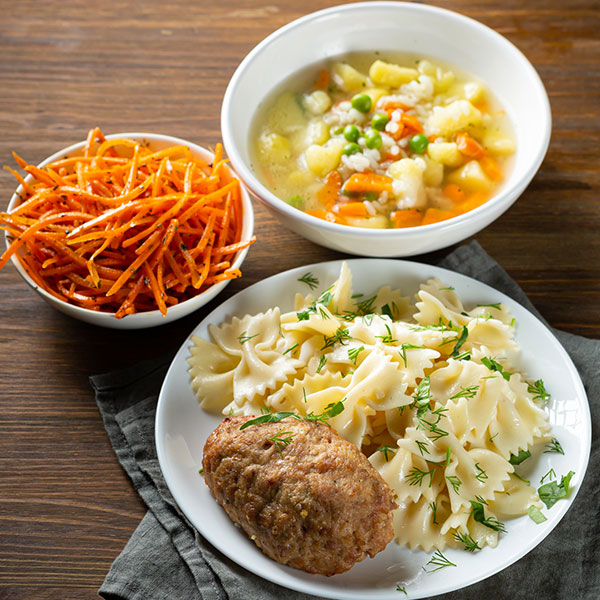
Nutrition planning board and balanced ingredients

Calorie Distribution and Practical Advantages

For many office-based adults, a moderate distribution across the day is easier to maintain than front-loading or back-loading most calories. A sample structure around 2,000 kcal might look like 25% breakfast, 30% lunch, 10% afternoon snack, and 35% dinner. This supports focus during work hours while keeping evening meals satisfying. If you have training sessions or physically active work blocks, you can shift more carbohydrates around those periods while preserving total intake logic.

Key benefits include predictable satiety, fewer impulsive food decisions, and improved planning confidence. Instead of reacting to hunger spikes with whatever is available, you work from predefined options that match your schedule. Over time, this reduces stress around food logistics and improves consistency with little daily effort.

All meal examples are informational and should be treated as planning templates, not guaranteed outcomes. Portion sizes and calories can vary in real use.

Health & Safety Guidelines

  • Store cooked protein and grains in shallow containers for quicker cooling.
  • Separate allergen-sensitive ingredients and label containers clearly.
  • Reheat meals thoroughly and avoid repeated reheating cycles.
  • Keep one backup meal option at work for delayed days.

Events Calendar

  • June 10, 2026: Meal System Audit Session
  • June 24, 2026: Ingredient Rotation Masterclass

FAQs

How many meal templates should I maintain?

Start with three breakfasts, three lunches, and three dinners. Expand only when execution is consistent.

Do I need exact calorie counting every day?

No. Many people use portion templates on regular days and only audit intake periodically.

Disclaimer: This website provides general lifestyle information only and does not constitute professional or medical advice.
Meal system board with ingredient categories

System Review Cycle

Review your meal system every two to four weeks. Keep sections that worked under real schedule pressure and replace sections that created delays. Short review cycles keep planning elegant and realistic, especially during changing workloads.

Editorial note: this page is written for educational planning in plain language, with no promise of specific personal results. For individualized guidance, consult a licensed professional.