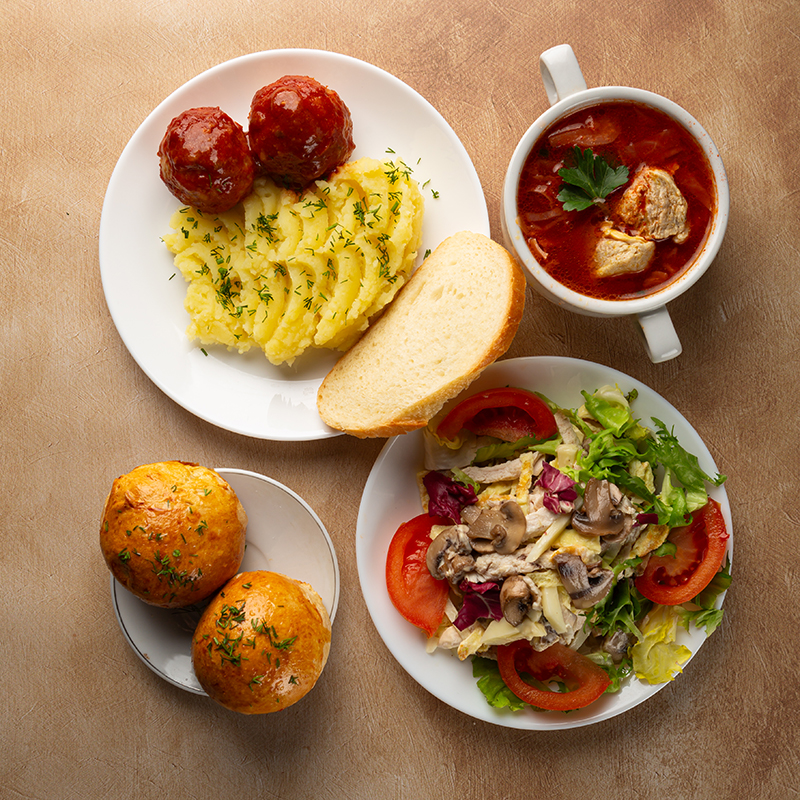
Simple Nutrition Systems for Busy Life Rhythms

A practical, elegant way to plan meals when your day is packed with meetings, commuting, and family responsibilities. Build repeatable systems, not rigid diets.

Start with Core System See Office Menu

1) What a Nutrition System Actually Means

A simple nutrition system is a set of repeatable rules you can run even when your calendar is full. Instead of deciding everything from scratch each day, you define a clear structure: how many meals you eat, which food groups appear at each meal, your preferred cooking methods, and your weekly shopping rhythm. This reduces decision fatigue and helps you stay consistent with energy intake without living in a spreadsheet.

For busy people, the strongest system has low friction. You rely on modular ingredients that can be mixed quickly: proteins such as chicken, fish, Greek yogurt, beans, tofu, or eggs; carbohydrates such as oats, rice, potatoes, whole-grain wraps, and fruit; fats such as olive oil, avocado, nuts, and seeds; and fiber-heavy vegetables in fresh and frozen form. The goal is practical balance: steady energy, enough protein for satiety, and easy portion logic you can follow at home or work.

This approach supports planning quality rather than chasing perfection. A system is successful when it survives real life: late meetings, travel, grocery delays, or limited kitchen time. You can always adjust calories, portions, and menu variety based on your routine, but your base framework stays stable.
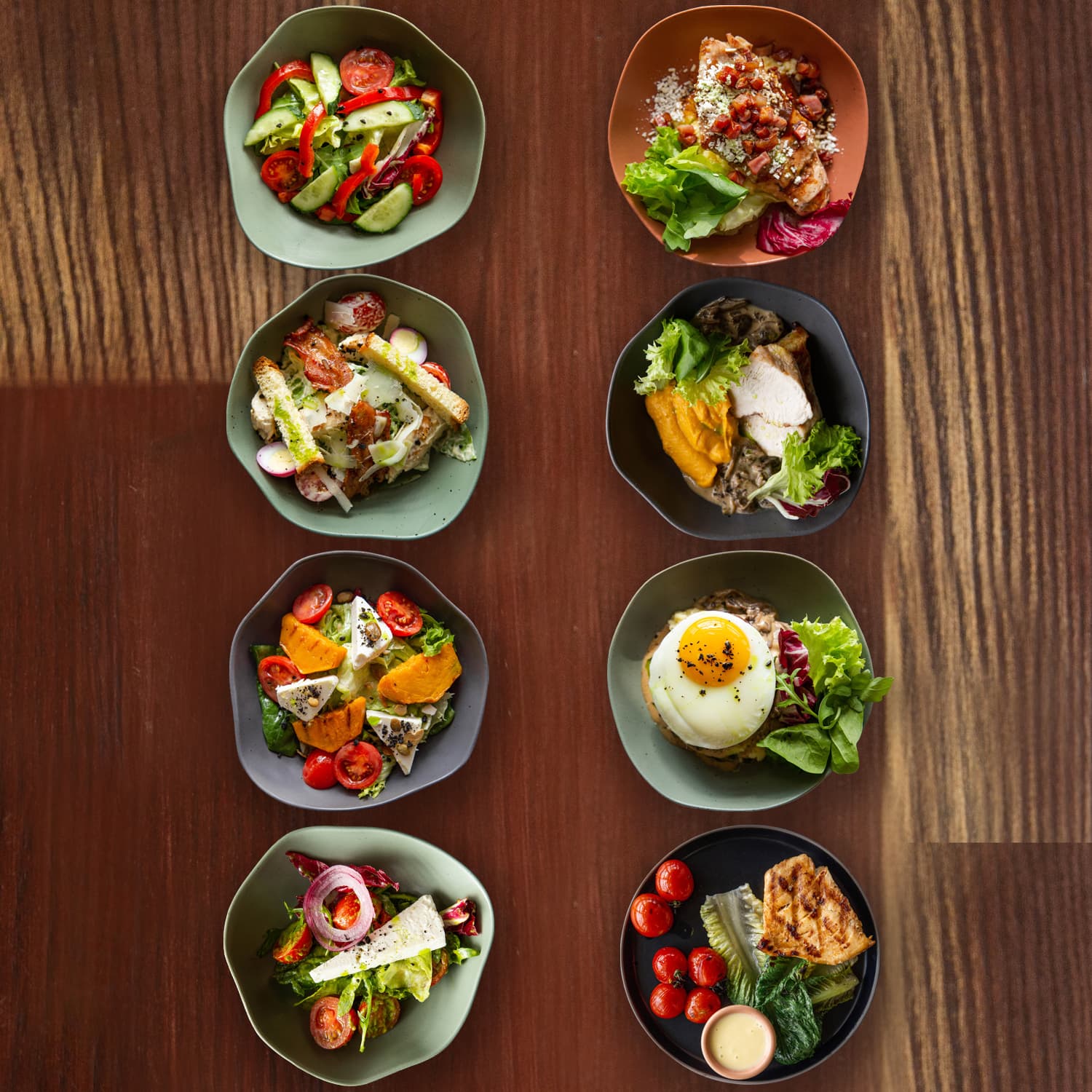
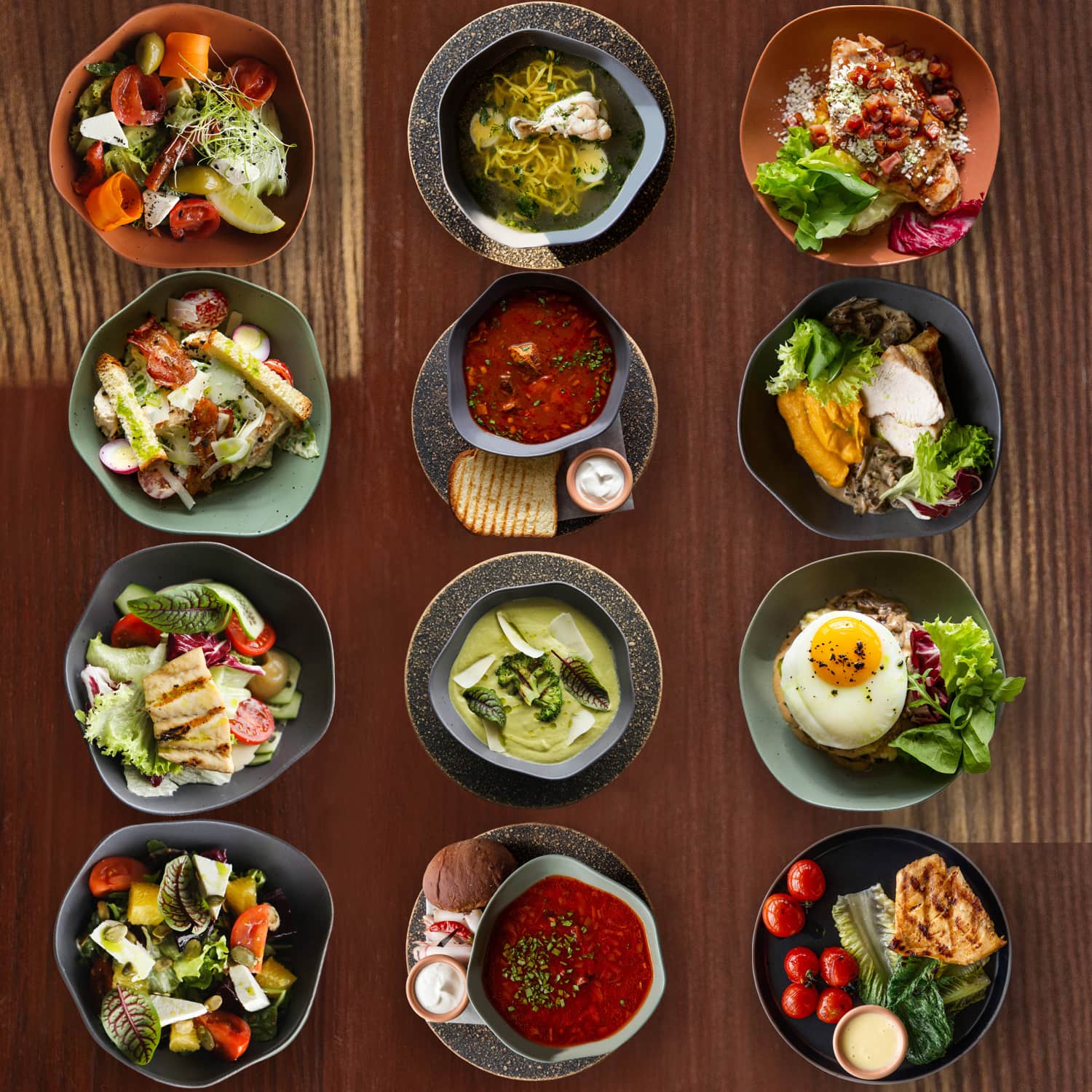
Balanced meal bowls arranged for weekly planning

2) Product Matrix: Core Foods and Their Value

Each product in your system should have a job. Lean proteins support fullness and meal structure. Complex carbs support focus during work blocks. Colorful vegetables raise micronutrient density and fiber intake. Healthy fats improve meal satisfaction and help with flavor depth. When these parts are visible in every plate, planning becomes straightforward and your grocery list becomes reusable week after week.

CategoryPractical ExamplesValue in Daily Routine
ProteinChicken breast, canned tuna, lentils, eggs, cottage cheeseSupports satiety, reduces random snacking, easy batch prep
CarbohydratesBrown rice, oats, sweet potatoes, whole-grain pasta, applesStable workday energy and better meal timing predictability
FatsOlive oil, almonds, peanut butter, avocadoFlavor, satisfaction, and practical calorie support for active days
Fiber & MicrosBroccoli, spinach, bell peppers, carrots, berriesDigestive support, color variety, and better nutrient coverage
Office lunch boxes with labeled portions

3) Time-Saving Workflow for Workweeks

Busy schedules fail when planning is too complex, so your system should follow a 3-step workflow: choose meal templates, prepare components, and distribute portions. Step one takes ten minutes on Friday or Saturday: pick three breakfast options, three lunch options, and three dinner options. Step two is batch preparation: cook proteins, grains, and chopped vegetables in blocks. Step three is packaging: store in visible, labeled containers with date and rough calorie range.

You can preserve freshness by preparing in two mini-cycles. First cycle covers Monday through Wednesday, second cycle covers Thursday through Friday. This lowers spoilage and keeps meals more enjoyable. Keep emergency foods at work: nuts, fruit cups in water, whole-grain crackers, and protein-rich snack packs. If meetings run over, you still have stable options.

When your workflow is consistent, nutrition decisions no longer depend on motivation. You spend less mental energy on food logistics and more on work quality, while maintaining a realistic, steady eating pattern across the whole week.

4) Office Menu Example with Calories

A sample workday menu around 2,000 kcal can be adapted up or down by adjusting portions. This model emphasizes convenience, food variety, and balanced distribution of protein, carbohydrates, and fats. It works well for people who sit for long periods but still need stable concentration.

06:45 Breakfast (470 kcal): oats with Greek yogurt, berries, chia, and walnuts 10:30 Snack (220 kcal): apple, boiled eggs, and water 13:00 Lunch (620 kcal): chicken-rice bowl with olive oil dressing and mixed vegetables 16:30 Snack (180 kcal): cottage cheese with cucumber and herbs 19:30 Dinner (510 kcal): salmon, baked potatoes, green beans, and lemon dressing

This style of menu has clear advantages: predictable energy, simple prep in reusable containers, and easy grocery scaling for one or multiple people. It also gives you a stable baseline for adjusting calories based on activity level and schedule intensity.

5) Health & Safety Guidelines

  • Keep cooked food refrigerated within two hours and use airtight containers.
  • Use separate cutting boards for raw proteins and vegetables.
  • Label cooked batches with dates and consume within safe storage windows.
  • Hydrate regularly through the day, especially in long office blocks.
  • Check ingredient labels for allergens and sodium-heavy sauces.

Food systems work best when safety is part of the process. Consistent hand washing, clean containers, and simple refrigeration habits reduce avoidable risks and help keep meal prep reliable through busy weeks.

Organized refrigerator containers for safe meal prep

6) Events Calendar

  • June 4, 2026: 30-minute online session on building a 5-day office lunch matrix.
  • June 12, 2026: Grocery planning workshop for low-time households.
  • June 21, 2026: Batch-cooking demo with 90-minute prep routine.
  • July 3, 2026: Live Q&A on calorie distribution for work-heavy weeks.

7) Frequently Asked Questions

How many meals are practical for a busy person?

Most people do well with three meals and one to two planned snacks. This keeps structure without overcomplicating prep.

Can I use frozen vegetables in a meal system?

Yes. Frozen vegetables are practical, nutrient-dense, and reduce prep time significantly in high-load weeks.

How do I adjust calories quickly?

Adjust by portion size: increase or decrease grains, oils, and snack portions while keeping protein and vegetables stable.

Weekly checklist and meal planning notebook

8) Weekly Checklist

Use a repeatable checklist to keep your nutrition system running with minimal effort. First, review your schedule and mark heavy workdays. Second, decide where convenience meals are needed. Third, build a compact shopping list that reuses familiar ingredients. Fourth, reserve one short prep window and one backup window. Fifth, confirm storage containers and emergency snacks for work. This checklist keeps your system practical and resilient, even when plans shift.

9) Start Simple and Improve Monthly

You do not need a perfect setup on day one. Start with a two-meal template and one reliable snack pattern, then expand over four weeks. Measure process consistency, not strict perfection: how many days did you follow your base structure, how often did your groceries support your plan, and how much planning stress did you reduce? Those indicators show whether your system is sustainable.

Each month, refine one variable: prep timing, menu variety, calorie distribution, or shopping efficiency. Small improvements compound quickly. A stable nutrition system gives you predictable energy, a clearer food budget, and less daily friction while maintaining flexibility for real work and life constraints.

10) Editorial Standards and Advertising Transparency

Our content is written for education and practical planning, not for guaranteed outcomes. Menu examples and calorie ranges are informational estimates that may vary by brand, portion size, preparation method, and individual routine. We recommend checking product labels and adjusting portions based on your own schedule and preferences.

We avoid fear-based language, unrealistic promises, and therapeutic claims. If advertising appears on this website, editorial content is prepared independently and designed to remain useful without requiring a purchase. We focus on clarity, transparent policies, and actionable planning steps that can be applied at different budgets.

Reference frameworks used for general nutrition structure include public-facing guidance from USDA resources and FDA food labeling standards. For individual needs, readers should seek advice from a qualified licensed professional.

Editorial quality checklist and nutrition planning notes
Disclaimer: This website provides general lifestyle information only and does not constitute professional or medical advice.